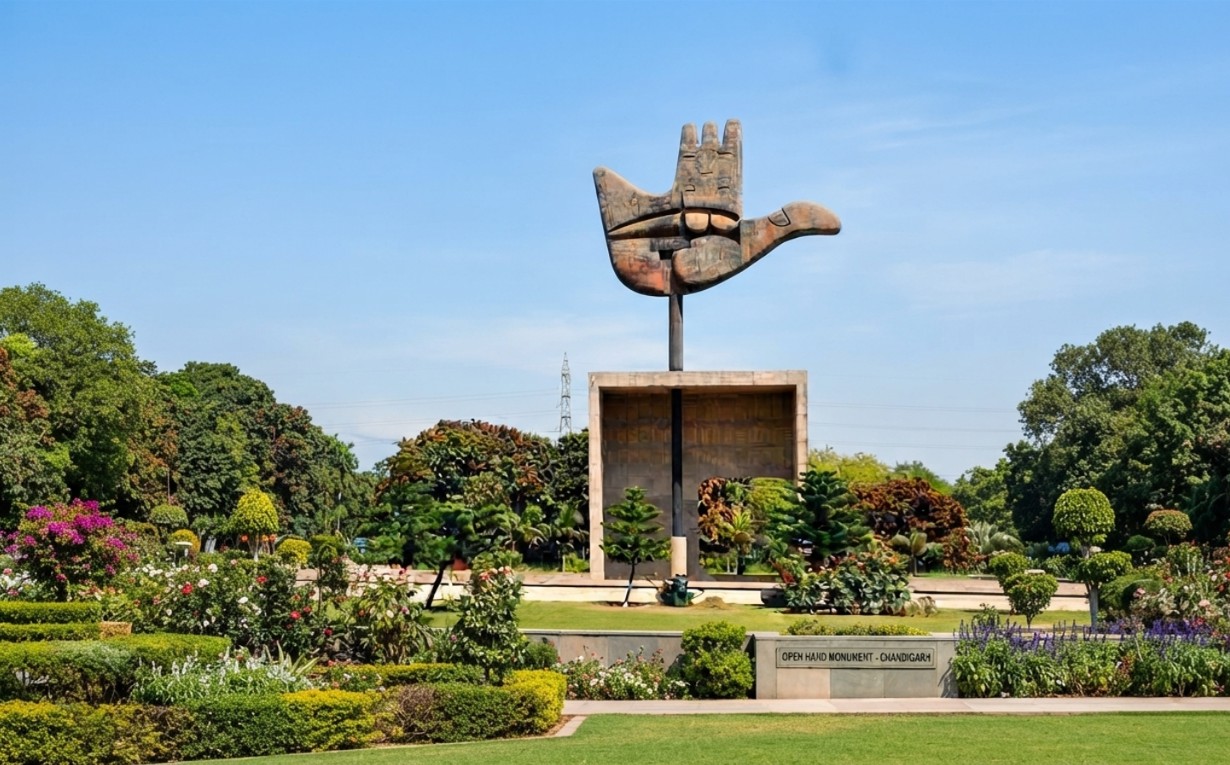
Key Takeaways
- Chandigarh is not part of Punjab state; it is a separate Union Territory that serves as the joint capital of both Punjab and Haryana.
- The confusion arises because many forms, shipping services, and older records still list Chandigarh under Punjab.
- Chandigarh became a Union Territory in 1966, after Punjab was split into Punjab, Haryana, and parts transferred to Himachal Pradesh.
- This shared-capital arrangement remains a temporary administrative solution to the dispute between Punjab and Haryana.
Search queries pairing “Chandigarh” with “Punjab” are common, and the confusion is understandable given how frequently the two names appear together in addresses, forms, and casual references. However, Chandigarh is not technically part of Punjab; it is a separate Union Territory administered directly by the Central Government. Consequently, understanding why this mislabeling persists helps clear up a genuinely confusing aspect of Chandigarh’s administrative status. This guide explains the history and why the Punjab association continues today.
Why Chandigarh and Punjab Are Often Linked
Many online forms, shipping platforms, and even some government records list Chandigarh under Punjab, largely because Chandigarh serves as Punjab’s capital and geographically sits adjacent to Punjab’s border. Additionally, older records from before 1966 reflect Chandigarh’s original status within undivided Punjab.
The Historical Split
In 1966, the former bilingual Punjab state was divided along linguistic lines: the northwestern areas became present-day Punjab, the southeastern areas became Haryana, and the northeastern hilly regions were transferred to Himachal Pradesh. Chandigarh, originally expected to go to Haryana based on its Hindi-speaking majority per the 1961 census, was instead converted into a Union Territory.
Why Chandigarh Became a Union Territory
Concerns over Sikh disaffection with the city going entirely to Haryana led the Central Government to make Chandigarh a Union Territory rather than assigning it to either state. As a result, Chandigarh serves as the joint capital of both Punjab and Haryana, administered directly under central control.
Is This Arrangement Permanent?
The shared-capital status was designed as a temporary solution pending resolution of the Punjab-Haryana capital dispute. However, the arrangement has persisted for decades, with no definitive resolution currently in effect.
Practical Implications of the Confusion
For everyday purposes like address forms or shipping, listing Chandigarh under Punjab is often functionally accepted, even though technically inaccurate. Therefore, for official or legal purposes, it’s more precise to list Chandigarh as its own Union Territory rather than under either state.
Frequently Asked Questions
Is Chandigarh part of Punjab?
No, Chandigarh is a separate Union Territory, though it serves as the joint capital of both Punjab and Haryana.
Why do some forms list Chandigarh under Punjab?
Because Chandigarh is Punjab’s capital and sits adjacent to it, many forms and older records list it under Punjab out of convenience or historical habit.
When did Chandigarh become separate from Punjab?
Chandigarh became a Union Territory in 1966, when Punjab was divided into Punjab, Haryana, and parts transferred to Himachal Pradesh.
Why didn’t Chandigarh go to Haryana in 1966?
Concerns over Sikh disaffection with the city going entirely to Haryana led to it becoming a Union Territory instead.
Is Chandigarh the capital of Punjab or Haryana?
It serves as the joint capital of both Punjab and Haryana, an arrangement intended as temporary but still in effect.
Is Chandigarh officially a state?
No, Chandigarh is a Union Territory, not a state; see our detailed explainer on Chandigarh’s state status for more.
Chandigarh’s frequent pairing with Punjab in addresses and search queries reflects genuine historical and administrative overlap, even though the city is technically its own Union Territory. For more on its administrative status, see our guide to Is Chandigarh a State?